The Hidden Truth About Palm Oil in Indian Snacks
Next time you pick up a packet of chips, namkeen, or even seemingly "healthy" roasted diet snacks from the supermarket, flip it over and read the ingredients carefully. Chances are, you will see three words printed in small text: Edible Vegetable Oil (Palm Oil).
Why do commercial brands use palm oil? It is cheap, heavily refined, and extends the shelf life of products indefinitely. However, the human body pays the real price. Palm oil is naturally high in saturated fats. When repeatedly heated at high temperatures for frying, it undergoes chemical changes that produce harmful trans fats, which are directly linked to cardiovascular issues, obesity, and sluggish digestion.
Why Pure Ghee Roasting is the Healthier Alternative
In traditional Indian households, snacks were always roasted in pure Desi Ghee. Ghee is rich in fat-soluble vitamins (A, E, and K) and contains conjugated linoleic acid (CLA), a healthy fatty acid that actually aids in fat loss and improves gut health.
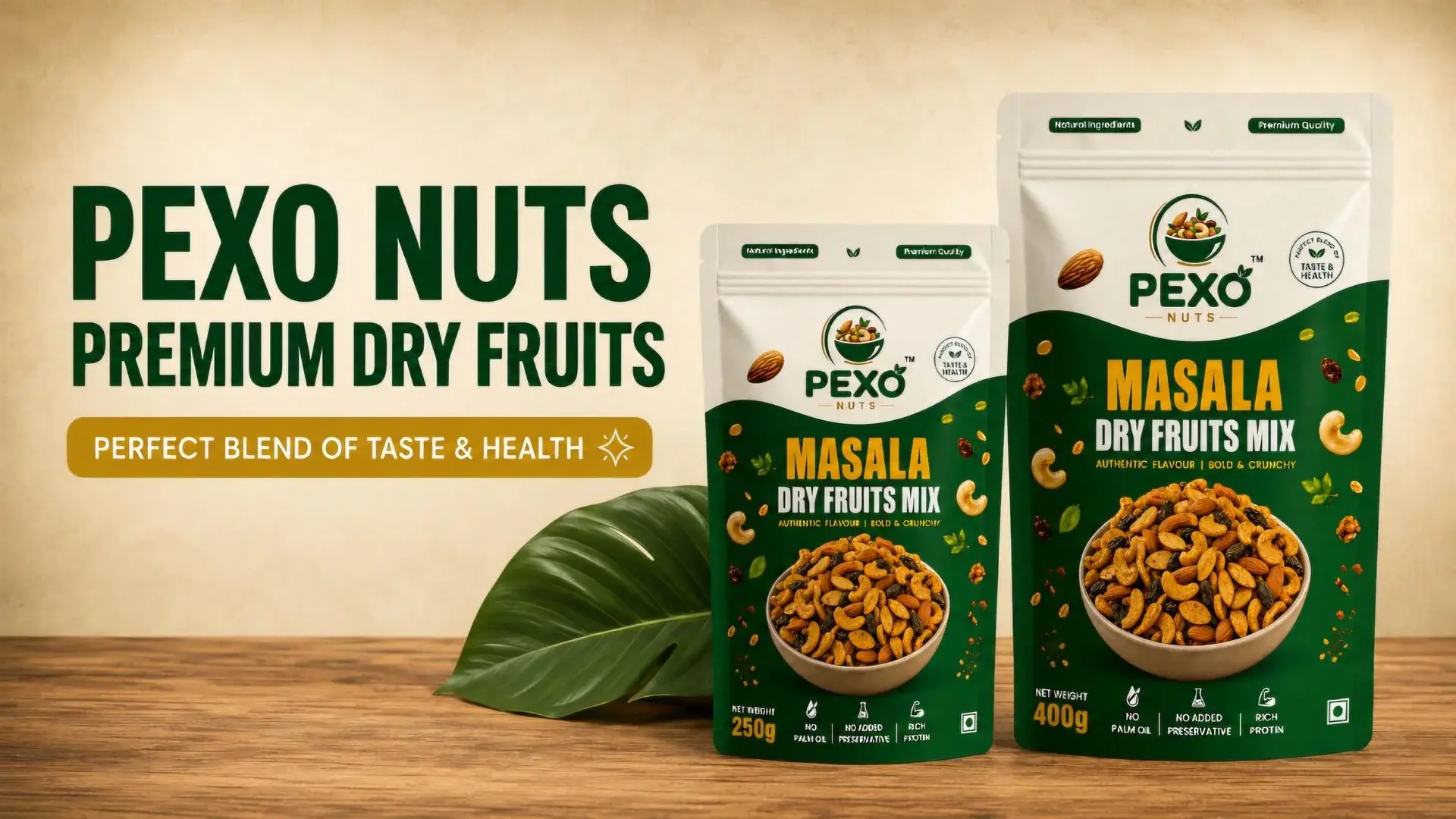
At PEXO Nuts, we refused to compromise. Our premium dry fruits and makhanas are completely palm-oil free. Instead, we use the traditional method of slow-roasting in pure ghee. This not only gives our snacks an irresistible aroma and crunch but also ensures that the delicate nutritional profile of the nuts remains fully intact.
Palm Oil vs. Pure Ghee Snacks
| Feature | Commercial Snacks (Palm Oil) | PEXO Nuts (Pure Ghee) |
|---|---|---|
| Fat Quality | High in harmful saturated fats | Healthy fats, rich in Omega-3 |
| Cholesterol | Raises Bad Cholesterol (LDL) | Boosts Good Cholesterol (HDL) |
| Digestion | Heavy, can cause acidity | Light, improves gut health |
Make the Switch Today
Your snacking habits shouldn't be a source of guilt or anxiety. By simply eliminating palm oil from your daily diet, you are taking a massive step toward better heart health and sustainable living. When cravings hit, reach for a snack that fuels your body with protein, fiber, and clean energy.